
Keno - Keno Card Game Guide
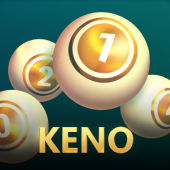 Keno
Keno
Keno is a number-selection cards game: choose a set of numbers, let the draw reveal its results, and compare your matches with the paytable. A clear Keno Demo is useful for learning the board, while a careful session plan helps you understand each Keno round without confusing chance with skill.
This Keno guide gives a direct answer first: the game is easiest to approach by deciding how many numbers to select, checking the displayed prize conditions, and setting a firm limit before confirming a round. Use the same calm process for Keno Demo practice and for any real-money session.
Keno Neighbouring Card Picks
These compact alternatives sit beside Keno in the cards collection. Each tile uses the recorded game name and image and opens the same Superpharma PH play route, so you can compare the feel of a familiar card-style lobby without leaving the page.
 5 Card Poker
 Cards Hi Lo
 Coin Pusher
 Coin Toss
How Keno Turns Number Choice into a Clear Round
The short version: Keno is a draw-based game in which the result is determined after you select numbers and confirm the stake. The important decision is not predicting a guaranteed winner; it is selecting a format you understand, reading the Keno paytable, and keeping the Keno round inside your chosen budget.
Keno usually presents a numbered field and a selection control. Your Keno ticket is formed when you mark numbers, review the stake, and submit the entry. The draw then reveals a fixed set of results. A Keno win depends on the number of matches and the applicable paytable line, not on a promise that any single number is due.
That simple structure is why Keno Demo practice can be valuable. In a Keno Demo, a new player can locate the number grid, test the selection count, see how the result animation works, and learn where the round history or help label appears. Demo rounds can explain the Keno interface, but they cannot change the mathematical probability of later results.
For Filipino visitors, the Superpharma PH Keno screen should be read in the same order every time. First identify the available Keno board. Next confirm whether a Keno Demo or practice mode is offered. Then inspect the stake control, the Keno prize table, and any minimum or maximum shown by the game. Finally decide whether the round fits the session limit.
A disciplined Keno routine is more useful than a dramatic system. Number patterns, birthdays, even-odd mixes, and consecutive selections may make a Keno ticket feel personal, but each eligible combination is still subject to the draw rules. Treat Keno Demo observations as interface learning rather than evidence that one pattern will outperform another.
View the Keno card lobbyKeno RTP: What the Return Figure Can Tell You
RTP is a long-run reference, not a forecast for the next Keno ticket. If the Keno information panel publishes an RTP figure, read it as an average theoretical return over a very large number of comparable rounds. It does not mean that one Keno player receives that percentage back in one sitting.
A useful Keno RTP analysis begins with the official paytable. Compare the number of picks, the possible match counts, and the prizes attached to those matches. A Keno Demo can show where the paytable is placed and how to open it. It cannot provide a shortcut to a higher RTP, and a previous Keno result does not make a future result more likely.
| Keno detail to read | Why it matters |
|---|---|
| Published RTP | Describes long-run theoretical return when supplied by the game. |
| Pick count | Changes the possible match paths and the shape of the Keno prize table. |
| Match condition | Shows which Keno outcomes qualify for a listed prize. |
| Stake per entry | Sets the cost of one Keno round before any result appears. |
| Maximum award | Helps put a headline prize into context without treating it as typical. |
RTP does not equal win frequency. A Keno game may have many small qualifying outcomes and a different Keno game may place more weight on rarer matches. The Keno Demo is therefore best used to learn presentation and pacing, while the visible paytable is the source for the current rules. Avoid claims that a “hot” number, a delayed result, or a particular Keno hour can override random selection.
When comparing Superpharma PH Keno with another cards option, keep the comparison fair. Use the same stake scale, look at the full Keno paytable, and note whether a displayed RTP applies to the selected variant. If the figure is not shown, say so and rely on the rules supplied in the game interface rather than inventing a percentage.
Keno Comparison Factors for a Better Fit
The best Keno choice is the one whose rules, pace, and stake range you can explain before you play. Comparing Keno options by a single advertised prize is incomplete; a more useful comparison looks at the full experience and the limits visible on the current screen.
Keno Pick Range and Paytable Clarity
Start by checking how many numbers a Keno variant lets you select. A narrow pick range may feel quick, while a broader Keno range can present more match lines to read. The Keno Demo should make it easy to see selected numbers, remove a selection, reset the board, and open the rules. If you cannot tell what a Keno ticket costs, pause before confirming it.
Keno Pace and Result Presentation
Some players prefer a quiet Keno draw with time to review the ticket; others prefer a faster sequence. Use Keno Demo rounds to judge whether the animation, result history, and confirmation controls are comfortable on a phone. A polished Keno interface is helpful, but it does not alter the outcome.
Keno Budget and Session Length
Compare the minimum Keno stake with the amount you planned for entertainment. A lower entry does not make Keno risk-free, and a larger maximum does not make a prize more probable. Set a number of Keno rounds or a money ceiling before opening the lobby, then stop when that boundary is reached.
Keno Accessibility on a Mobile Screen
On a small screen, Keno controls should be readable, spaced, and easy to reverse. Check the ticket summary, confirmation state, and responsible-play information. If a Keno Demo is available, use it to test orientation and touch accuracy rather than rushing into a paid round.
For a different visual rhythm, you can compare the number-focused Keno layout with the Wild Ape game page, but keep the rules of each game separate. Keno comparison is meaningful only when the game type, paytable, and stake are considered together.
How to Play Keno from the First Screen
To play Keno, read the rules, select numbers, confirm the stake, and review the result without exceeding your limit. The following sequence applies to a typical Keno interface; the live screen and paytable always take priority if a variant uses different labels.
- Open the Keno page: Use the Keno tile and allow the game screen to finish loading. Confirm that the displayed title and cards category match the game you intended to open.
- Read Keno help: Locate the information or paytable control. Check the Keno pick range, qualifying matches, stake unit, and any variant-specific conditions before making a selection.
- Choose a Keno ticket: Tap the numbers you want to include. Watch the selection count and remove accidental choices. A Keno pattern can be personal, but no pattern guarantees a match.
- Set the Keno stake: Use the plus or minus control to choose a stake within your plan. Confirm the total cost of the entry, not only the value of one unit.
- Use Keno Demo first: If the interface offers Keno Demo, complete a few no-cost practice rounds to learn the confirmation and result screens. Demo outcomes are for familiarisation and do not predict paid outcomes.
- Confirm the round: Submit only after the Keno numbers and stake are correct. Do not press repeatedly if the screen is processing; wait for the result or the status message.
- Read the Keno result: Compare the drawn numbers with the selected numbers and then consult the paytable. A near match is still not a qualifying Keno win unless the rules say it is.
- Record and stop: Note the result if you track sessions, and stop at the time or budget limit you set. Never increase a Keno stake just to recover a previous loss.
The Superpharma PH Keno flow is designed to be mobile-friendly, but a login or account screen may be required for any real-money feature. If you need broader account and game guidance, read the Superpharma Ph Tips resource before returning to Keno.
Keno Decision Checklist before You Confirm
A Keno ticket is ready only when every answer below is clear. This checklist is intentionally short so it can be used on a phone before a Keno Demo session or a paid entry.
- I can explain what a Keno match means on the current paytable.
- I know how many numbers this Keno variant allows me to select.
- I have checked the Keno stake and the total cost of this entry.
- I have used the Keno Demo when I needed to learn the controls.
- My Keno budget comes from entertainment funds, not essential spending.
- I will not chase a Keno loss, borrow money, or extend the session after my limit.
- I know where to pause, sign out, and contact support if the Keno screen is unclear.
Use the checklist again whenever the Keno variant, stake, or paytable changes. The point is consistency: Keno remains a random draw, while your preparation and spending boundary are choices you control.
For visitors researching the wider platform, the Superpharma Ph Earn Money guide explains account and promotion topics separately. Keep those topics separate from Keno probability and read every promotion condition before acting.
Practical Keno Habits for Calm Sessions
A good Keno habit starts before the first number is selected. Decide what a finished Keno session looks like: it may be a short Keno Demo lesson, a fixed number of paid rounds, or a time-boxed visit with no reload. Writing the boundary down can be more reliable than making a new decision after every result.
Keep Keno selections simple enough to verify. If the board is crowded, check the selected-number counter and ticket summary before confirmation. The Keno Demo can help you practise removing a number, clearing a ticket, and reading the result history. These small actions reduce input errors without suggesting that a player can control randomness.
Separate Keno records from feelings about a session. A win does not prove that a number system works, and a loss does not prove that the next Keno draw is “due.” If you track rounds, record the stake, pick count, and result as facts. Do not turn a Keno history into a promise about what will happen next.
Mobile play can make Keno convenient, so convenience needs a boundary. Use the Superpharma PH app only when the device, connection, and account details are secure. Before a Superpharma PH login, check that you are using the intended official route and avoid sharing one-time codes or passwords. A Keno guide can explain the game, but it cannot replace account security.
Responsible Keno play also means recognising when a break is needed. Stop if you feel pressure to recover money, hide activity, or keep going after your plan ends. Keno is entertainment with uncertain results; a Keno Demo is the safer way to learn controls when you are not ready to risk a stake.
Continue to Superpharma PH KenoKeno Step Summary for a Quick Return
Remember this Keno order: understand, select, price, confirm, compare, and stop. It works as a compact reference after you have read the longer Keno explanation.
Keno in Six Short Moves
Read the Keno rules. Pick numbers. Check the stake. Use Keno Demo if needed. Review the draw against the paytable. Finish at your Keno limit.
- Understand Keno: identify the number field, pick range, paytable, and result screen.
- Prepare Keno: decide the stake, time, and number of entries before selecting a ticket.
- Practise Keno: use Keno Demo to learn touch controls, reset actions, and result history.
- Confirm Keno: verify selected numbers and total cost before submitting.
- Review Keno: compare the draw with the exact match condition; do not infer a result from a near miss.
- Close Keno: record the session if useful, then stop when your boundary is reached.
Keep this Keno summary beside the game rather than relying on memory during a fast session. If you want a separate explanation of the site’s account journey, visit the Superpharma Ph Tips guide once; return here for the Keno-specific sequence.
Keno FAQs for New Players
What is Keno?
Keno is a draw-based cards game where you select numbers and compare them with the numbers revealed by the round. The Keno paytable defines which match counts qualify for each listed prize.
Does Keno Demo predict a paid result?
No. A Keno Demo is for learning the interface, selection controls, and result presentation. Demo outcomes do not forecast a later Keno draw or improve its probability.
How many numbers should I choose in Keno?
Choose a pick count only after reading the current Keno rules and paytable. There is no universally best number count; select a format whose stake and match conditions you understand.
Can a Keno pattern guarantee a win?
No. Birthdays, consecutive numbers, hot-number ideas, and even-odd patterns can organise a Keno ticket, but they cannot guarantee a match in a random draw.
How should I read Keno RTP?
Read Keno RTP as a theoretical long-run average when the game publishes it. It is not a promise for one ticket, one player, or one short session, and it does not replace the current paytable.
Is Superpharma PH Keno suitable for a phone?
The Keno screen is presented for mobile use, but check the live controls, connection, and account requirements on your device. Use Keno Demo first when you need to learn the layout.
What should I do before a Superpharma PH login?
Use the intended official route, protect your password and verification codes, and decide your Keno limit before signing in. Never share account credentials with another person.
Can I recover a Keno loss by raising my stake?
Raising a Keno stake to recover a loss increases exposure and does not change the random outcome. Keep the original limit and take a break when the plan ends.
Where can I find Keno rules?
Open the information or paytable control inside the current Keno game. The live game rules are more authoritative than a general description because variants can use different pick ranges and prizes.
Does the Superpharma PH apk change Keno odds?
An app or browser route should not be treated as an odds strategy. The Keno rules and displayed paytable govern the game; choose the access method for convenience and security.
What is the safest way to learn Keno?
Read the rules, use Keno Demo when available, set a small fixed entertainment budget, and stop if the activity stops feeling controlled. A Keno explanation should support informed choices, not pressure.
Ready to Review Keno?
Open Keno, read the current paytable, try Keno Demo when available, and keep every Keno decision inside a plan you control.
Keno is a chance-based game. Superpharma PH visitors should be 21+ and play for entertainment only.